We're still talking about it. Article from February 4, 2022.
https://www.citizenside.fr/medicament-hormonal-risque-accru-tumeur-cerebrale-benigne-fortes-doses/
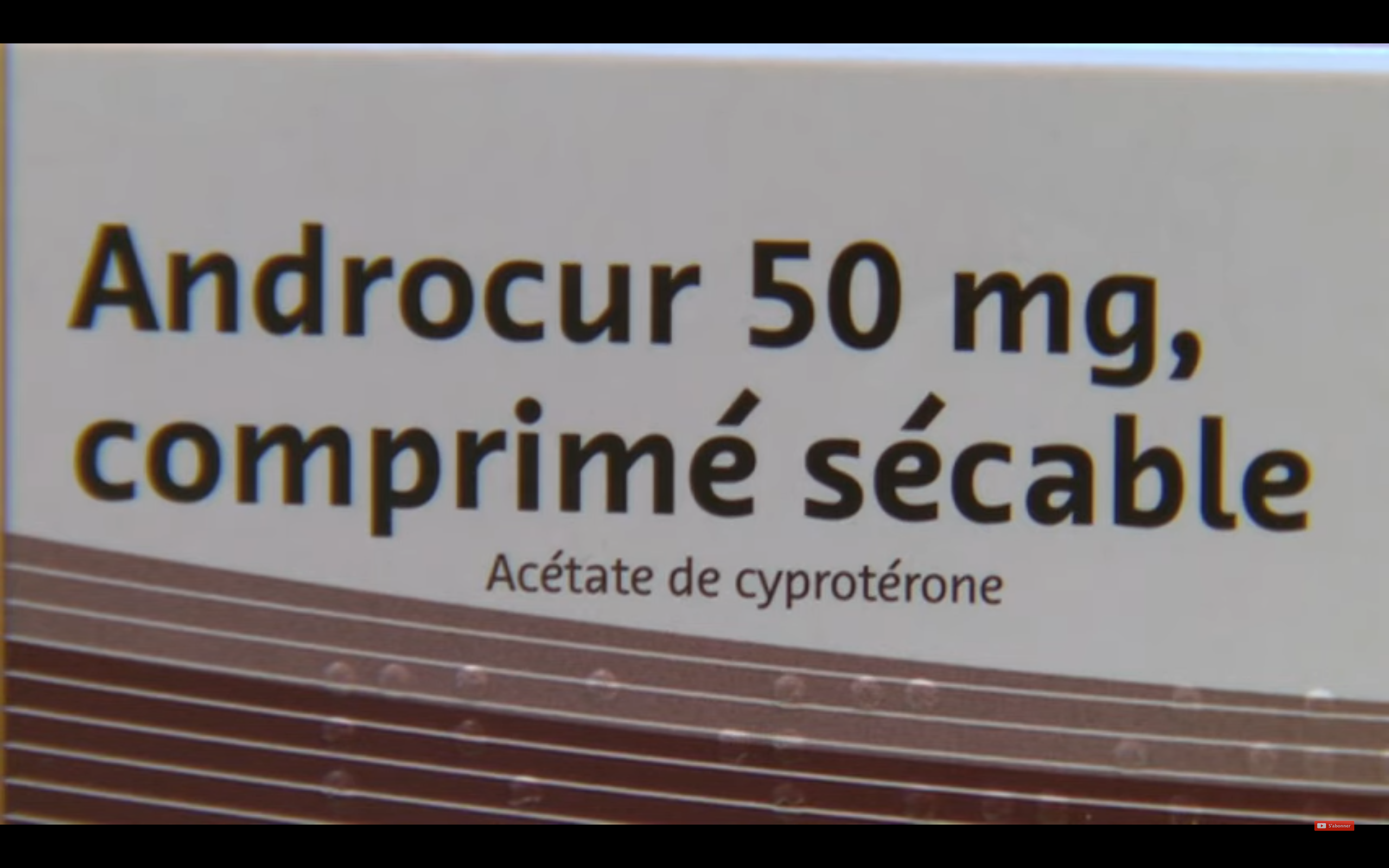
High doses of a drug widely used in the hormonal treatment of affections such as extreme hair growth, early puberty, prostate cancers are linked to an increased risk of meningioma - the most common fate of benign brain tumor, according to a study university carried out by Bristol on Additional 8 Tens of Millions of individuals. The study is published today in Scientific Stories [Friday 4 Feb 2022].
Generally with slow growth, meningiomas are benign tumors, which are often accidentally revealed by imaging, but can cause significant disability due to compression or compression of the brain, nerves and adjacent vessels and pressure effects in a fixed cranial vault. Recent studies have reported an affiliation between the growth of meningiomas and hormonal treatments, in particular prolonged and high dose of the cyproterone acetate drug (CPA).
High doses of cyproterone acetate (> 50 mg/day) are generally prescribed to male individuals with a most inoperable prostate cancers, a passion that causes Too much growth known as hirsutism, or transsexual transsexual hormone therapy.
Lower doses (2 to 10 mg/day) of the drug are generally used in affiliation with estradiol to treat alopecia associated with androgens or female seborrhea. Given the widespread use of the drug, researchers from the universities of Bristol, Cambridge and the National University of Singapore led a systematic review and a meta-analysis using four studies including a sample of 8,132,348 people, in order to assess the evidence of the association between cyproterone acetate and the incidence of meningiomas.
The sample included 165,988 patients identified as taking cyproterone acetate at varying doses. Using this data, the team analyzed the occurrence of meningiomas in patients using high-dose and low-dose cyproterone acetate and found a significant association between high-dose use and an increased risk of meningiomas. However, this association was not found with low doses. Keng Siang Lee, a medical student and lead author of the study from Bristol Professional Medical University at the University of Bristol, said: “The cause of meningiomas is controversial, but there is strong evidence suggesting a plausible role for sex hormones in the development of meningiomas. We know that they have a predilection for women, particularly after puberty. In addition, fluctuations in meningioma growth during the menstrual cycle, pregnancy, and breastfeeding have also been well documented.” We are also aware of the well-characterized distribution of progesterone, estrogens, and androgen receptors in certain meningiomas located at the base of the skull.
“In light of these results, the prescription of high -dose cyproterone acetate, in particular for the indications not indicated on the label, must be considered with caution. In addition, we suggest that plan screening and monitoring of brain MRI proposed to people to which cyproterone acetate has been prescribed are probably a reasonable solution. Clinical consideration if administered in high doses for long periods.
“However, our study highlights the current limited evidence on the risk of intracranial meningioma associated with low -dose cyproterone acetate. We still do not know if cyproterone acetate below a certain threshold can be completely safe in terms of risk of meningioma. The results obtained here suggest the need to continue clinical research on intracranial meningioma associated with cyproterone acetate. »»
Source Citizen Side: https://www.citizenside.fr/Medicament-hormonal-risque-accru-tumeur-cerebrale-benigne-fortes-doses/?utm_source=cpp
Note from the association: It is worth recalling that the risk of meningioma was demonstrated in France by the EPI-PHARE study published in 2018: https://www.epi-phare.fr/rapports-detudes-et-publications/hautes-doses-acetate-cyproterone-meningiome-femme/