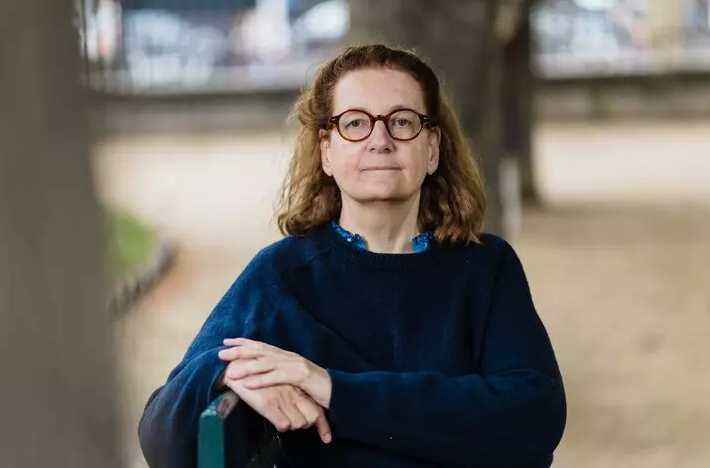
Emmanuelle Huet-Mignaton, victim of the side effects of "Androcur" progestin, confides in her. Today, she tells of her fight for justice and protecting other women thanks to her association, Amavea.
Quand un médecin lui prescrit l’ Androcur en 2003 pour soulager son endométriose, Emmanuelle Huet-Mignaton n’imagine pas une seconde que ce médicament bouleversera sa vie. « C’était un professeur de gynécologie réputé, je faisais confiance. » À l’époque, l’Androcur est présenté comme une solution efficace, capable de réduire les douleurs invalidantes liées à cette maladie chronique. Pourtant, ce progestatif de synthèse n’est pas conçu pour traiter l’endométriose. Initialement, l’Androcur est destiné à deux usages précis : traiter l’hirsutisme sévère, un excès de pilosité perturbant la qualité de vie des femmes ou freiner la progression du cancer de la prostate chez les hommes.
Mais dès les années 1990, il est massivement prescrit pour d’autres pathologies comme l’acné ou l’ endométriose, des usages hors de son autorisation de mise sur le marché (AMM). Ces prescriptions hors AMM concerneront jusqu’à 75 % des utilisations du médicament, exposant des milliers de femmes à des risques graves, souvent sans surveillance adaptée. Parmi eux : l’apparition de méningiomes, des tumeurs cérébrales bénignes mais compressives, pouvant entraîner des séquelles importantes.
"With this drug, everything will be fine"
Emmanuelle, then aged 39, accepts this treatment, reassured by the words of her doctor. "I remember asked if this medication was sure. He replied: “With this medication, everything will be fine.” This sentence remained in my mind. She cut short all my questions. »»
Reinforced by this insurance, it begins a treatment supposed to offer it a respite from the unbearable pain of its endometriosis. Before her health changed, Emmanuelle led a brilliant career as a financial consultant to the Banque de France. For years, the Androcur seems to keep its promises. “Pain has decreased considerably. I could live almost normally. »»
But as early as 2011, alert signals appear. Recurring headaches, chronic fatigue and speech troubles worry Emmanuelle. "I felt that something was wrong. But whenever I was talking about it, I was told that it was stress or overwork. I was not listened to. Faced with these unexplained symptoms, his general practitioner evokes a possible depression linked to his intense pace of work. “I was prescribed antidepressants, I was sent to see a psychiatrist. However, deep down, I knew that was not that. I felt slowed down, as if my brain no longer worked as before. »»
This erroneous diagnosis leads Emmanuelle to be placed on sick leave for burnout. Symptoms worsen over the years, up to a striking event in 2017: his right hand suddenly becomes inert. “It was too much symptom. My doctor finally prescribed an MRI, and there everything collapsed. »»
"My brain no longer worked as before"
Lire aussi >> Androcur : une association de victimes du médicament, utilisé contre l’endométriose, porte plainte
An icing diagnosis: five brain tumors
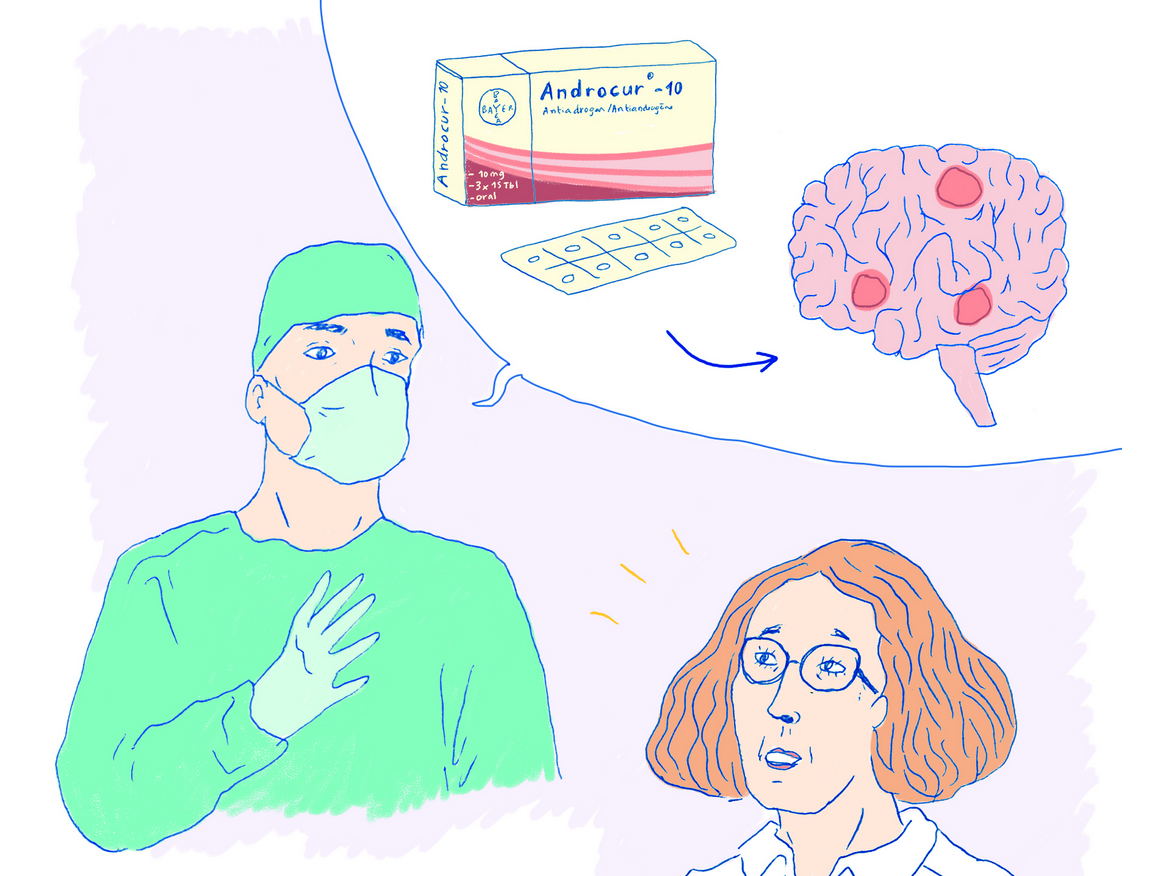
Les résultats de l’IRM sont sans appel : Emmanuelle a cinq méningiomes, dont une tumeur volumineuse de la taille d’une orange. Ces tumeurs, bien que bénignes, compressent son cerveau et expliquent ses symptômes. Le neurochirurgien est formel : ces méningiomes sont directement liés à une utilisation prolongée de l’Androcur. « Quand il m’a annoncé que mon traitement était responsable, j’étais sidérée. Comment un médicament prescrit par des professionnels pouvait-il causer ça ? »
The shock is immense, both physically and psychologically. “I had taken this medication for years, and no one had ever told me about this risk. But the diagnosis is only the beginning of a new test: one of the tumors is too large and requires an urgent operation, carried out in October 2017. "I was so afraid. I imagined my open skull, the possible consequences ... It all seemed unreal to me. »»
After the intervention, rehabilitation promises to be long. “I couldn't speak properly. For months, I was aphasic. Each word was a mountain to climb. She spent a year and a half in intensive rehabilitation to find a functional word. But she knows she will never be the same again. "I tire quickly. I cannot speak several hours in a row without my voice flanche. I have to take constant breaks to recover. »»
This intervention marks a turning point in Emmanuelle's life. The neurological sequelae prevents her from resuming her career as a financial consultant and she must take an early retirement for disability at only 55 years. “It was an immense loss, both financial and personal. »»
"No one had ever told me about this risk"
The birth of Amavea: never to be alone again
In 2018, while she is still in rehabilitation, Emmanuelle discovers that an ANSM study confirms the link between Androcur and meningiomas. “I understood that I was not alone. Other women lived the same. However, she quickly notes the silence of victims often disoriented.
Determined to act, she contacted Irene Frachon, famous for her fight against the Mediator. The whistleblower encourages her to create an association and structure her fight. What Emmanuelle does in January 2019, with Amavea, an association dedicated to the victims of risky progestoges. “We are there to inform, support and defend these women. They should not go through it alone. »»
Since its creation, the collective has welcomed more than 1,100 members, women and families faced with meningiomas and other serious side effects of progestins. The association acts on three fronts: information to potential victims, support - whether medical or legal - and lobbying to expand the surveillance of progestins.
Amavea also revealed the extent of prescriptions outside the marketing authorization, a key factor in this scandal. “The progestins were prescribed at more than 85 % out of AMM, especially for endometriosis. These prescriptions were not justified and exposed women to risks they were unaware. »»
A complaint to understand and act
In November 2024, after years of work, Amavea filed a complaint against X with the Paris court. This complaint, carried by lawyer Charles-Joseph Oudin, specialist in health scandals, target of serious accusations: "administration of harmful substance", "involuntary attack on the integrity of the person", and "aggravated deception".
For Emmanuelle, this action is not only a quest for justice: it is a desire to understand the faults of the system. “We want to know why patients were not informed earlier. Why outdoor prescriptions continued despite the alerts, and why the health authorities and the laboratories took so long to act. »»
Despite pressures - notably of certain gynecologists reluctant to recognize their wrongs - Emmanuelle remains inflexible. “Each testimony that I receive reminds me of why I do this. Some women have seen their lives switch to this lack of information. This fight is trying, but essential. And to conclude. You have the right to know. Ask your doctors, demand answers. And above all, you are not alone. Together, we are stronger. »»